 Buy/Sell
 Log in

PvP Tier List - AION 2 Guide
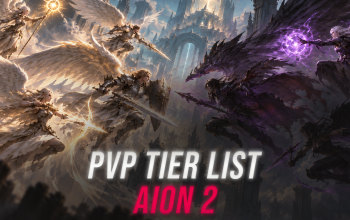
Our AION 2 PvP Tier List ranks all eight classes by burst, control, mobility, survivability, and overall value in real fights.PvP Tier List
AION 2
Last Update: October 8, 2026
Introduction
AION 2's Global PvP meta is still young, but the first days have already confirmed something older regional tier lists often obscured: a class can be excellent in one PvP format and merely average in another. Duels reward burst, control and the ability to force an engagement, while Abyss fights and objective-based battles put much more weight on range, protection, healing and coordinated crowd control.
This tier list ranks all eight Global launch classes for overall PvP. We consider small-scale fights, open-world encounters, Abyss combat and organized team play instead of building the entire ranking around one favorable matchup. Damage matters, but so do mobility, crowd control, anti-healing, defensive tools, target access and the ability to remain useful after the opening burst is gone.
The launch environment also deserves some caution. Global has its own progression curve and currently lacks the mature equipment, skill levels and established compositions seen on older servers. A class that looks overwhelming in a geared regional duel can feel very different on a fresh level-45 character.
How We Rank PvP Classes
The highest-ranked classes can threaten opponents in more than one situation. A great duelist that becomes awkward in a large fight loses some points, while a class with modest solo kill pressure can climb through exceptional control, healing or frontline value.
Burst, anti-healing and the ability to convert crowd control into an actual kill matter heavily in small-scale PvP.
Stuns, Knockdowns, Fear, Silence, pulls, buff removal and other forms of control become more valuable when several players focus the same target.
Gap closers, Stealth, shields, immunity, healing and escape tools determine whether a class can survive once the opponent starts fighting back.
Abyss and objective fights reward healing, peeling, ranged pressure and party utility much more than a duel does.
S Tier
Assassin - Stealth / Burst DPS
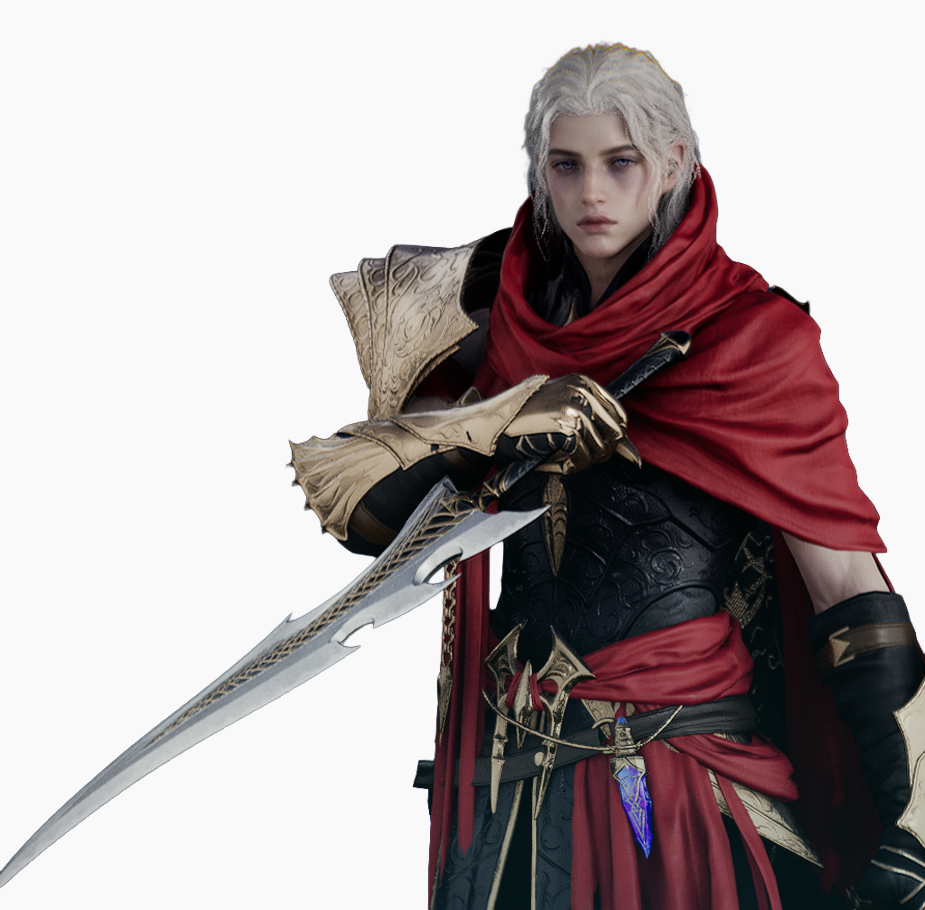
Assassin remains one of the clearest PvP specialists in AION 2. Stealth lets it decide when many fights begin, while a deep crowd-control kit, strong positional damage and fast single-target burst make exposed backline players extremely dangerous to ignore. Anti-healing and cooldown disruption also give the class tools for finishing targets that would otherwise recover from the opening attack.
Its weaknesses appear when the first engagement fails. Assassin is fragile once caught, loses a large part of its positional advantage when several enemies can peel for each other, and becomes much less comfortable in prolonged frontline fighting. Those limitations matter in mass PvP, but they do not erase how much control Stealth gives the class over roaming and small-scale encounters.
Gladiator - Melee Bruiser
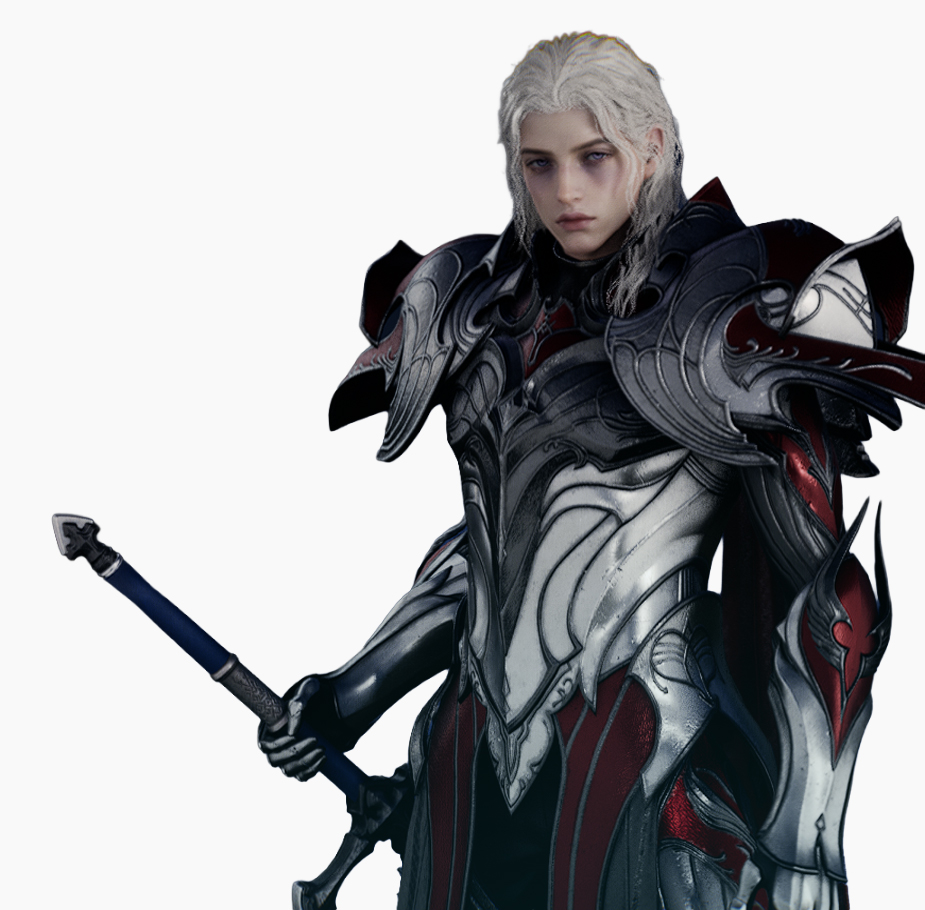
Gladiator is the most forgiving PvP frontliner among the damage classes. It combines strong melee pressure with recovery, Knockdowns, gap-closing tools and enough durability to survive exchanges that would force an Assassin or caster to disengage. Blade Toss is particularly useful because it pressures a target from range while reducing both Defense and incoming healing.
The class is strongest in duels, roaming and messy skirmishes where it can stay attached to one or two targets. Large organized fights are less comfortable because entering melee range exposes Gladiator to concentrated ranged damage and layered control. Even there it remains useful, but it needs a cleaner opening and more support than it does in a small fight.

Sorcerer - Ranged Burst / Control
Sorcerer combines the two things PvP players hate being hit by at the same time: heavy ranged burst and disruptive crowd control. Polymorph, Airborne effects, Slows and other control tools can create enough time for the class to set up a lethal spell sequence, while its long range becomes even more valuable when allies are available to keep melee attackers away.
The obvious problem is durability. Sorcerer can look oppressive while controlling the pace of a fight and suddenly become very vulnerable once a diver gets through its defensive window. Good positioning and cooldown management are therefore mandatory. In organized PvP, where teammates can provide protection, the class becomes one of the strongest sources of ranged pressure on the field.
A Tier

Cleric - Healer / Group Support
Cleric changes value more dramatically between PvP formats than almost any other class. In a duel it can be frustrating to kill but often lacks the control and damage needed to finish an equally geared opponent quickly. Put the same Cleric into a coordinated group and the picture changes immediately. Healing, cleansing, defensive support, anti-healing pressure and resurrection can decide extended fights.
Recent healing reductions prevent the class from simply erasing every mistake, which is healthy for the rest of the roster, but Cleric remains one of the most important targets in organized PvP for a reason. It sits in A Tier overall because solo kill pressure is limited; for serious group battles it performs closer to S Tier.
Templar - Frontline Control
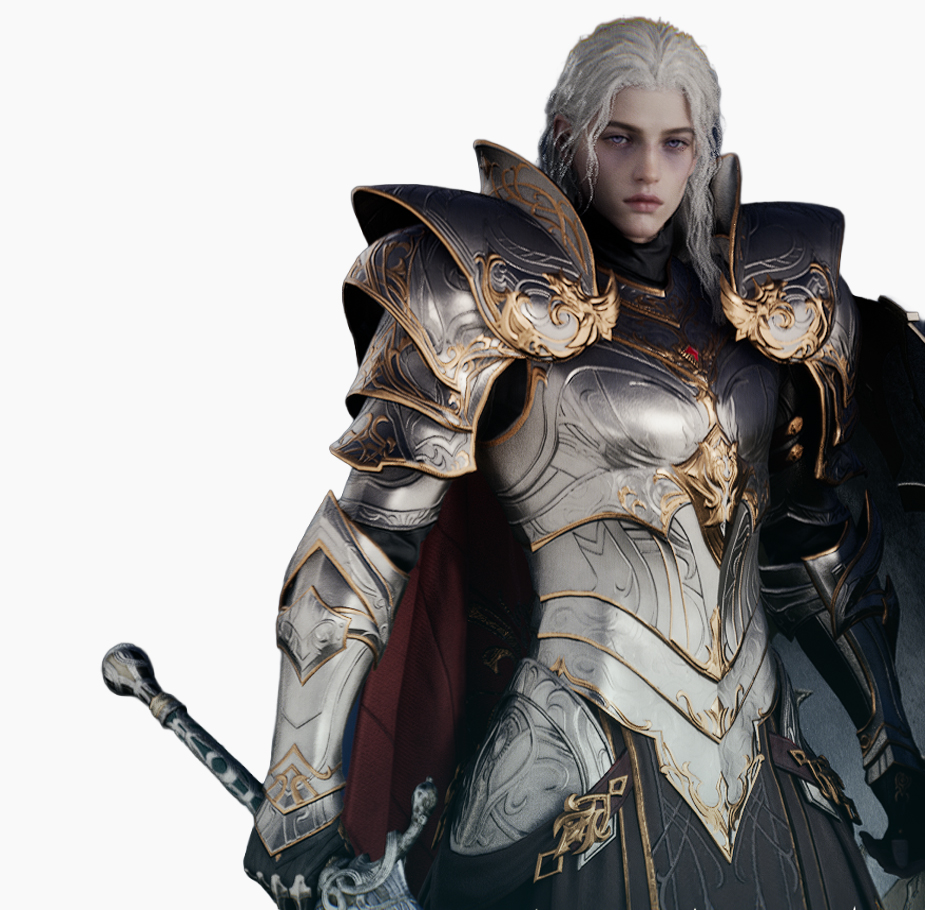
Templar brings the kind of PvP value that is easy to underestimate on a damage scoreboard. Pulls, Taunt, shields and heavy defensive tools let it isolate targets, protect allies and occupy space that squishier classes cannot safely contest. In a coordinated group, dragging a healer or ranged DPS out of position can be more valuable than adding another personal damage cooldown.
The trade-off is kill pressure. A defensive Templar can control a duel for a long time without having an easy way to finish it, while mobile ranged classes can make the chase tedious. It therefore lands below the top duelists in an overall list, but rises sharply in objective play and larger team fights.

Ranger - Ranged Kiting DPS
Ranger has one of the safest basic PvP plans: create distance, punish the approach and keep moving. Its range, Stealth access, multiple control effects and strong anti-healing tools make it effective at pressuring targets that cannot close the gap cleanly. The same range gives Ranger good value in Abyss and objective fights where firing safely from behind a frontline matters.
The class becomes much less comfortable once a Gladiator, Assassin or Templar successfully reaches it. Ranger has defensive options, but it does not want to trade at point-blank range for long. That dependence on spacing keeps it in A Tier, although players with strong movement and positioning can make many matchups look considerably better.

Spiritmaster - Control / Disruption
Spiritmaster becomes more threatening as the fight gains more players. Fear, Seal, buff removal and constant ranged pressure give it excellent tools for disrupting an organized enemy group, while its spirits add another layer of nuisance and target management. Removing an important defensive buff before the rest of the party commits can completely change an engagement.
Solo encounters expose the class's weaker side. Spiritmaster has less immediate escape security than the best ranged classes and can struggle when a melee opponent reaches it before the control setup is ready. It earns A Tier because its organized PvP toolkit is genuinely strong, but players focused almost entirely on dueling or independent roaming may find the class less convincing.
B Tier
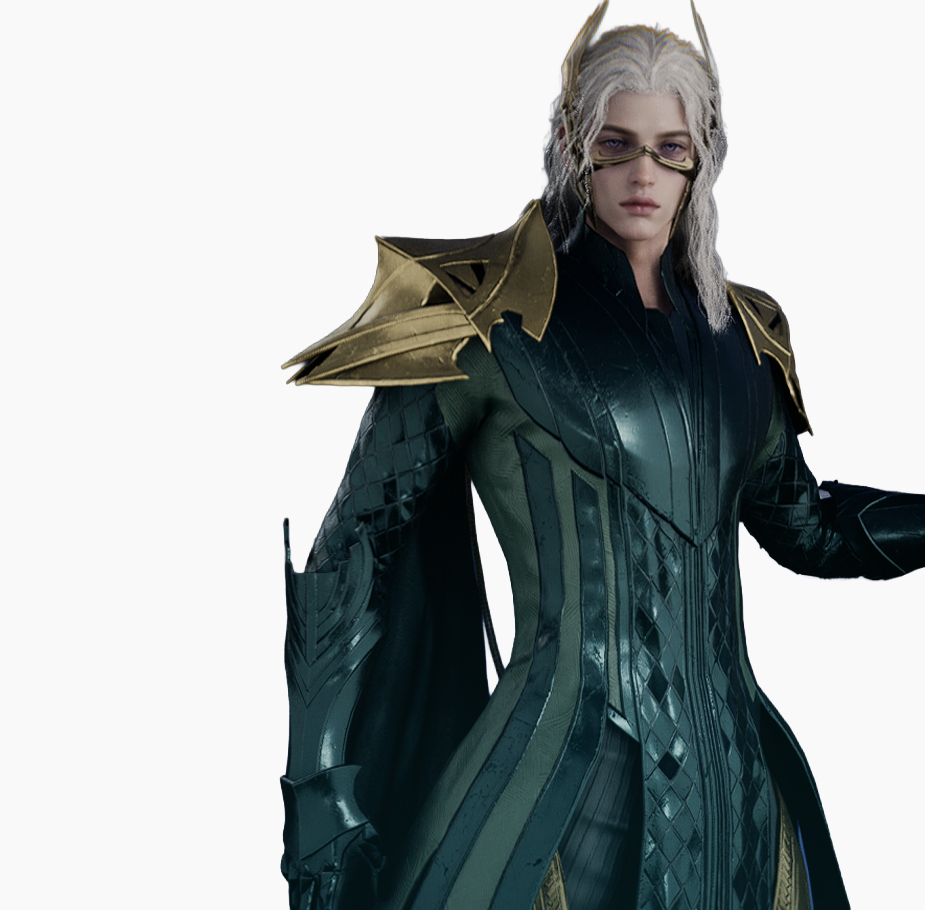
Chanter - Hybrid Support / Melee DPS
Chanter has had one of the messiest PvP reputations across AION 2's balance history. Earlier versions could be extremely oppressive through damage, recovery and frequent disruption, but several of those strengths have since been toned down. The current Global class still offers self-sustain, crowd control, party buffs and emergency support, yet it no longer overwhelms fights simply by existing in the middle of them.
The problem is specialization. Cleric is the clearer choice when a group needs heavy healing, while Assassin, Gladiator and the ranged damage classes offer more direct kill pressure. Chanter is a jack of all trades, but master of none - this class can still be excellent in a coordinated team that takes advantage of its buffs and defensive tools, but its individual impact is less automatic than the classes above it. B Tier reflects that competition for a PvP slot, not an inability to win fights.
Tier List








How the PvP Meta Changes by Format
The overall ranking becomes much easier to understand once the fight size changes. Assassin and Gladiator gain the most when the battlefield is small. Assassin can choose an opener and remove a vulnerable target quickly, while Gladiator has enough pressure and sustain to remain dangerous after the first exchange.
In organized team fights, Cleric, Templar, Spiritmaster and Chanter all improve. Healing, pulls, Fear, buff removal, shields and party effects become much more important when several players are coordinating damage.
Sorcerer and Ranger benefit from having a frontline between themselves and the enemy. Their ranged pressure is much easier to maintain when another player is absorbing the first engage. Sorcerer brings the more threatening control-and-burst package, while Ranger relies more heavily on spacing and steady ranged pressure.
Final Thoughts
The early Global PvP meta favors classes that can either control when a fight happens or continue contributing when the first burst fails. Assassin excels at creating favorable engagements, Gladiator survives long enough to keep applying pressure, and Sorcerer combines ranged damage with some of the most dangerous control available to a damage class.
The middle of the ranking is much more dependent on format. Cleric and Templar can be far more valuable than an S Tier damage dealer in a coordinated team, Ranger rewards good spacing, and Spiritmaster becomes increasingly useful as control and buff removal affect more players. Chanter currently has the least convincing all-purpose case, but remains a legitimate group pick when its support kit fits the composition.
PvP balance is also likely to move faster than PvE balance during the first Global season. Build around the type of PvP you actually intend to play, and treat the overall tier as a summary of flexibility rather than a promise that one class wins every matchup.
AION and AION 2 are trademarks and intellectual property of NC Corporation.