 Buy/Sell
 Log in

Frozen Trail 2.0 Update Explained - ARC Raiders Guide
Before you jump into Frozen Trail 2.0, check the biggest ARC Raiders changes, new content, early priorities, and likely meta shifts.Frozen Trail 2.0 Update Guide
ARC Raiders
Last Update: October 8, 2026
Introduction
Frozen Trail 2.0 is the biggest ARC Raiders update since launch, and it changes far more than the scenery. Pendola Pass adds a completely new frozen region, but the more important long-term additions are the Outpost, Amplified Weapons, a rebuilt Skill Tree, new map conditions, a different progression pass, new enemies, and several balance changes that affect equipment players were already using.
The update went live on October 8, so this is no longer a preview of distant features. If you are returning to the game or jumping in for the first time, the useful question is what actually matters during your first few raids. Some systems can be ignored until later. Others, especially the Outpost, quests, Skill Tree and the way loot works on Pendola Pass, are worth understanding immediately.
Pendola Pass Changes How You Farm
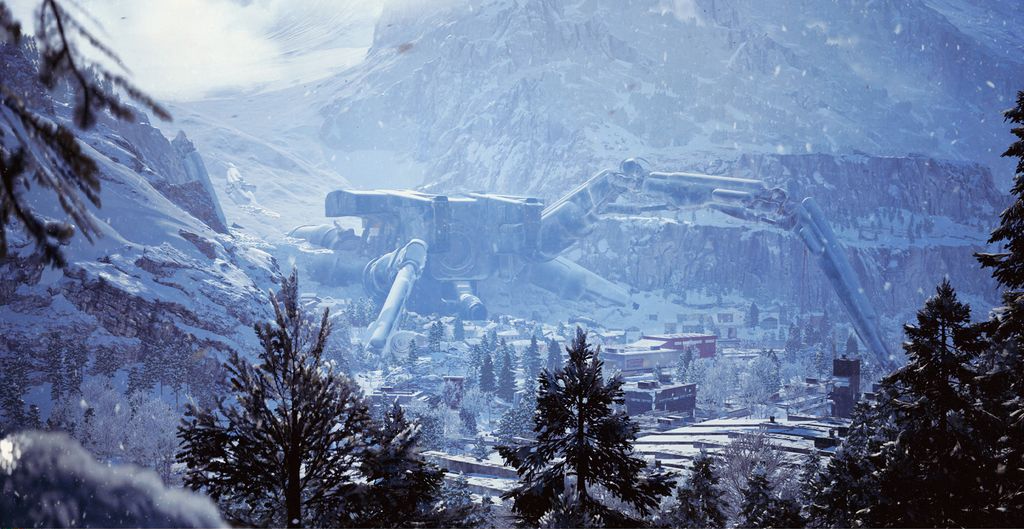
Pendola Pass is not designed around one permanent best route. Its new Dynamic Loot Zone system changes the value of selected areas from raid to raid. A Residential zone remains Residential, so the type of loot does not suddenly change, but one Residential area can be much richer in one match and less attractive in the next.
That matters because one of the strongest habits in ARC Raiders has always been learning a reliable route and repeating it efficiently. On Pendola Pass, memorizing terrain is still valuable, but blindly running the same sequence of buildings should be less consistent. Pay attention to what the current raid is offering and be willing to abandon your normal path if another area looks better.
The map is also more vertical than older environments. Snowy slopes, elevated structures and the new Grappling Hook create more route choices, while the new Scrambling movement mechanic allows short uphill pushes while sprinting. Vertical movement is therefore part of both looting and combat.
The Frigate and New ARC Enemies
Frozen Trail does not simply add tougher versions of familiar machines. The Frigate and the three new ARC threats are built around different kinds of pressure, forcing Raiders to react to aggression, ambushes and overlapping fields of fire instead of relying on one universal approach.
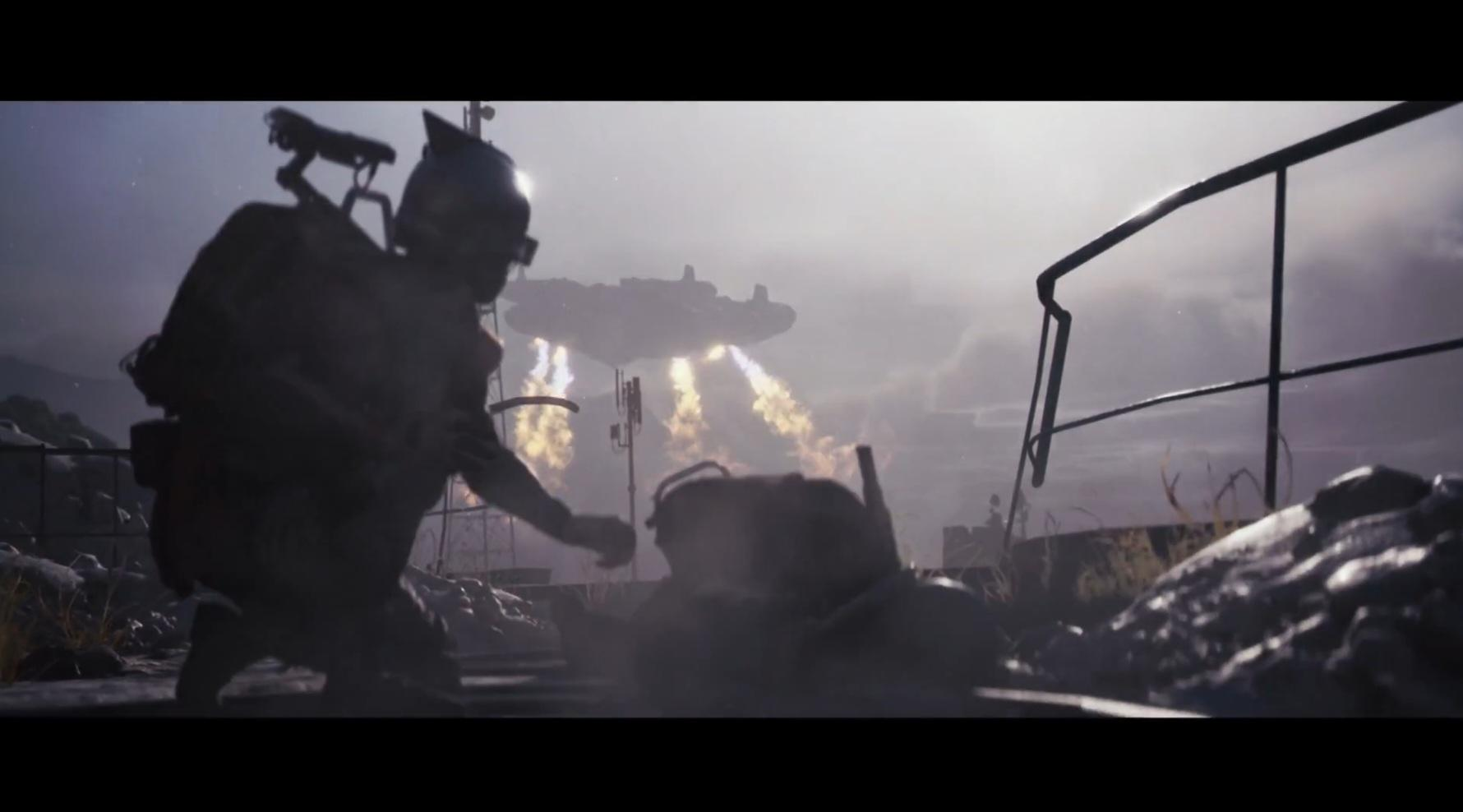
The Frigate ARC's largest vessel and appears as a new map condition. Getting aboard is only the beginning: Raiders have to move through confined internal passageways, open paths deeper into the ship and fight both familiar and new ARC units while hunting rare technology. The cramped interior also creates a completely different PvP environment, because other squads may be chasing the same rewards with very little room to disengage.
Treat the Frigate as a high-risk, endgame objective. Know where your cover is before committing to a fight, avoid getting trapped between ARC and another squad, and remember that the Hydra can turn an already crowded engagement into a disaster.
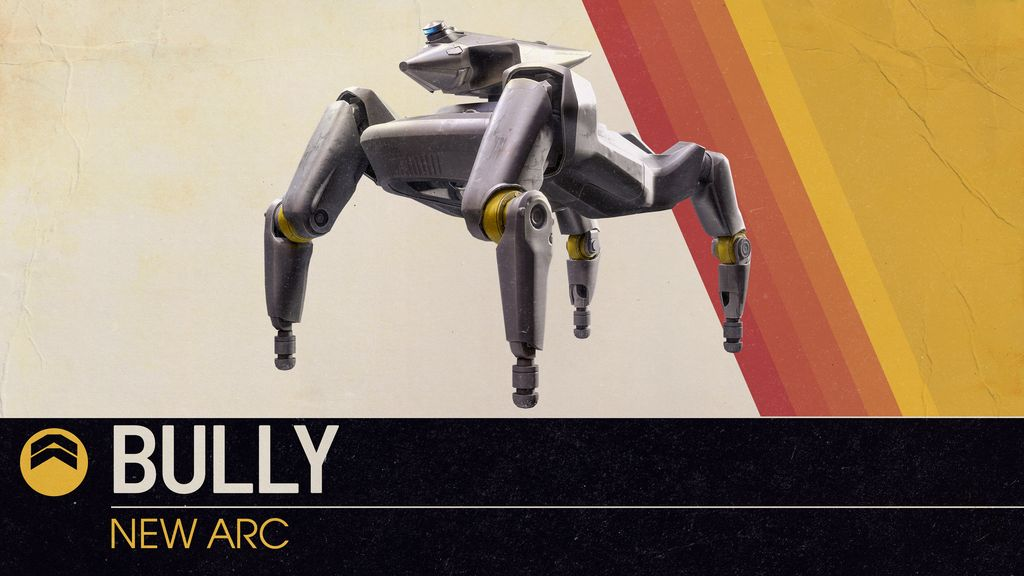
Bully is the most openly aggressive of the new machines. It pushes directly into your position, moves quickly and keeps pressure on. Open ground is exactly where you do not want to meet one.
Use solid cover, force it to approach through predictable angles and avoid panic-firing while it closes the distance. Bully is designed to punish players who keep backing away without creating a real defensive position.
Its name wasn't chosen by accident.
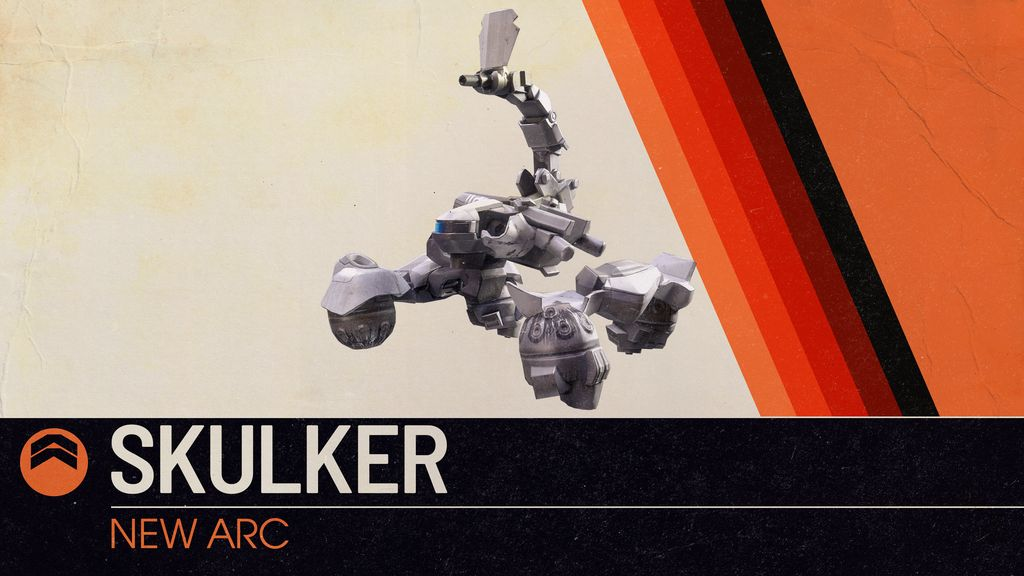
Skulker fights almost opposite to Bully. It stays around the edge of your attention, waits for an opportunity and tries to strike when you are distracted. If the engagement stops favoring it, the machine can disappear from sight and look for another angle.
The main counter is awareness. Do not tunnel-vision another ARC or enemy Raider. Keep checking the edges of your position and assume it is preparing another approach until you have confirmed the threat is gone.
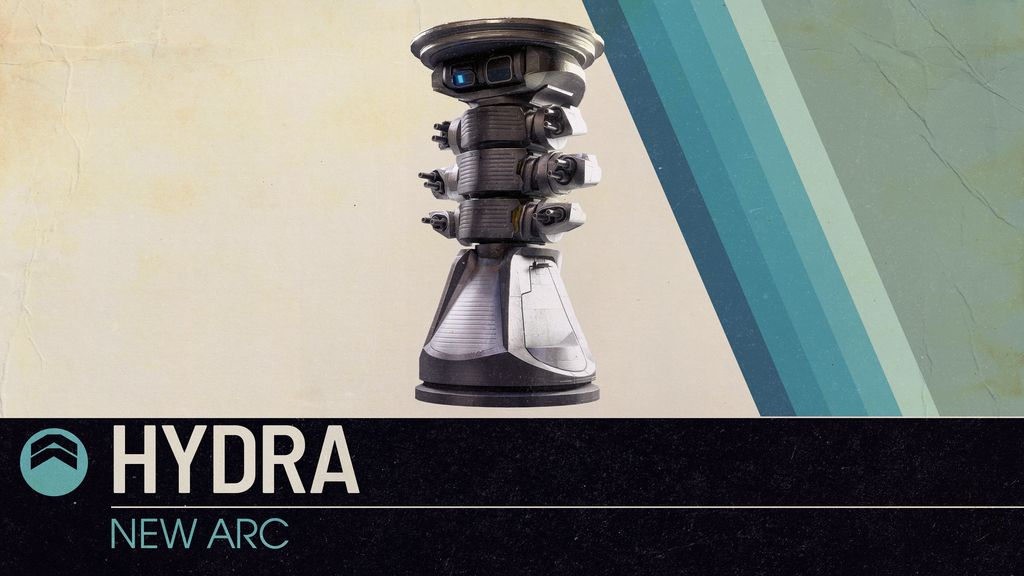
Hydra is stationary, but that does not make it passive. Its body is split into three stacked autonomous sections with separate weapon systems, allowing it to pressure several Raiders at once. It is found around the Frigate and the fallen Emperor, where the surrounding terrain can make its overlapping fire especially dangerous.
This is a fight where squads benefit from splitting its attention instead of stacking in one place. Move between hard cover, attack during safe openings and avoid exposing the entire team to the same firing angle. Trying to brute-force Hydra from open ground is exactly the situation it is built to punish.
The Biggest Combat and Balance Changes
| Change | What It Means |
|---|---|
| Anvil is now Blue rarity | Its economy changed because it was outperforming equipment around its previous rarity. Bantam now fills the cheaper Uncommon hand-cannon role. |
| Explosives vs. ARC reworked | Explosive weapons deal over 50% more damage to armor plates but roughly 30% less to fragile parts. Heavy ARC armor is now the correct target, while weak-point bursting is less efficient. |
| Heavy Shield buffed | Durability decay drops from 0.20 to 0.15 and its movement penalty falls from 15% to 10%, making the defensive trade-off noticeably easier to accept. |
| Snap Hook nerfed | Range drops from 20m to 18m, durability use doubles from 2% to 4%, and power cost rises from 50 to 60. It remains a burst-mobility tool, but repeated use now has a much clearer cost. |
| Stamina skills improved | Fight or Flight gains around 25% more stamina per level, Stubborn Mule gets roughly 33% better stamina regeneration values, and Back on Your Feet now heals 40 instead of 30. |
| Jupiter interaction fixed | Its damage no longer propagates twice through ARC parts. The result is stronger armor performance but slightly weaker weak-point output. |
| Riven Tides loot increased | Overall loot value is up by about 15%, giving returning players another worthwhile option instead of forcing every profitable raid onto Pendola Pass. |
The most important theme is specialization. Explosives are being pushed toward armor breaking, the Snap Hook is being separated from the new Grappling Hook instead of acting as the universal mobility answer, and the Anvil is being balanced partly through rarity and access.
The Outpost Is Your New Long-Term Base
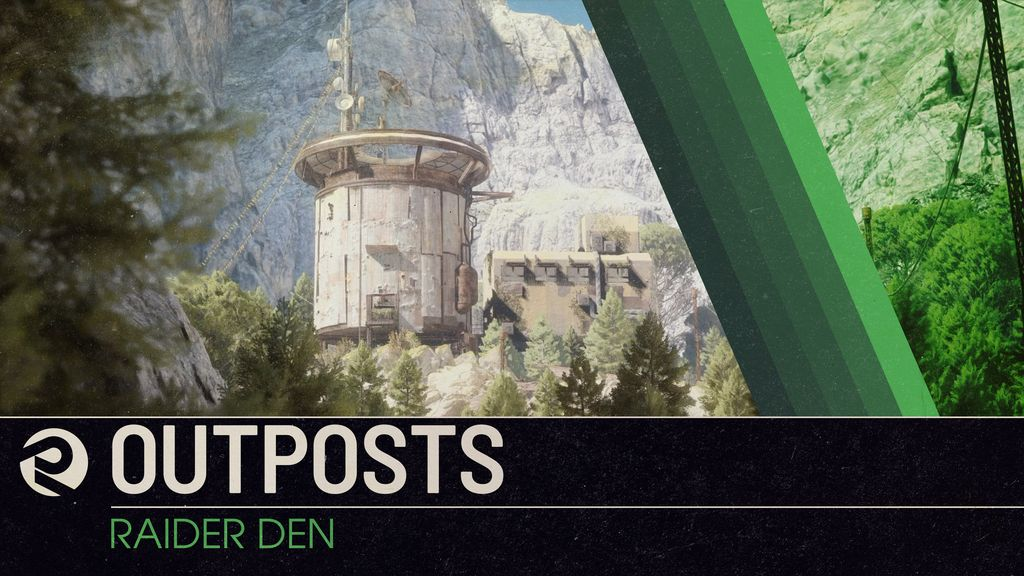
The Outpost is a new personal surface base positioned between the Rust Belt and the mountains leading toward Pendola Pass. It is more than a cosmetic housing feature: building it opens another layer of account progression and eventually gives you access to the Research Workstation, which is required for the highest levels of weapon customization.
You can expand the space with modules and decorate it with furniture, including pieces unlocked through lootable Design items. The first step, Research Topside Living Conditions, asks you to photograph a farmland house. A Camera can be bought from Shani, crafted at the Workbench or found Topside, so getting one early prevents the project from stalling immediately.
Amplified Weapons Are the New Endgame Chase
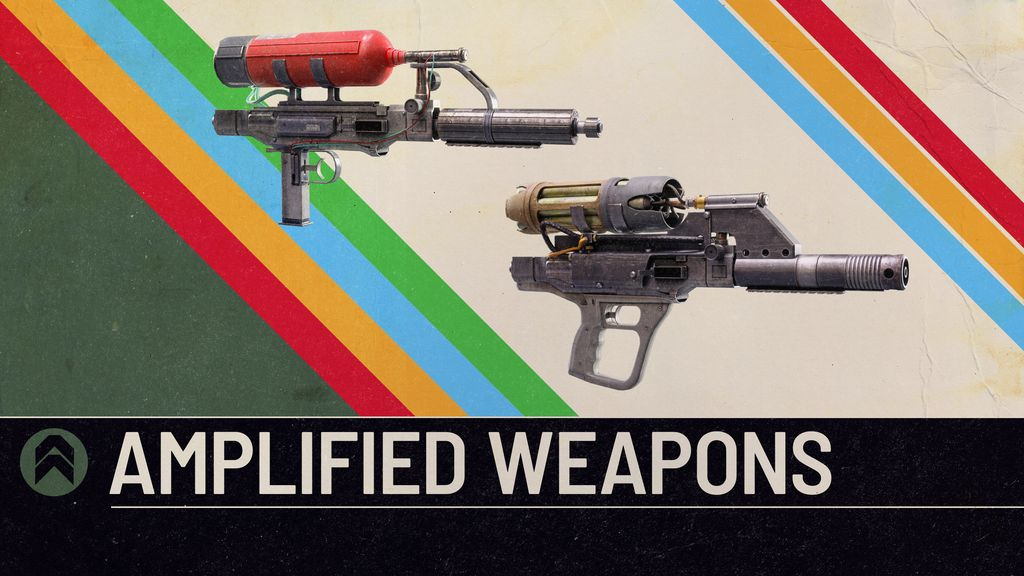
Frozen Trail adds a fifth quality level to 15 existing weapons. Amplification introduces branching changes that can alter how a gun behaves. Confirmed examples include a fully automatic Burletta, a scoped Renegade and a Rattler that can lean into incendiary ammunition or a much larger magazine.
Amplification is tied to the fully upgraded Research Workstation in the Outpost, which means it is intentionally positioned as later progression. That is important for new and returning players: you do not need to make Amplified Weapons your first objective. Building the infrastructure that eventually unlocks them is the better first step.
The old Anvil Splitter has also been folded into this system. It is no longer used as a normal mod, the Anvil loses its Tech Mod slot, and old Splitters can remain useful as a source of materials related to Amplified gear.
The Skill Tree Has Been Rebuilt
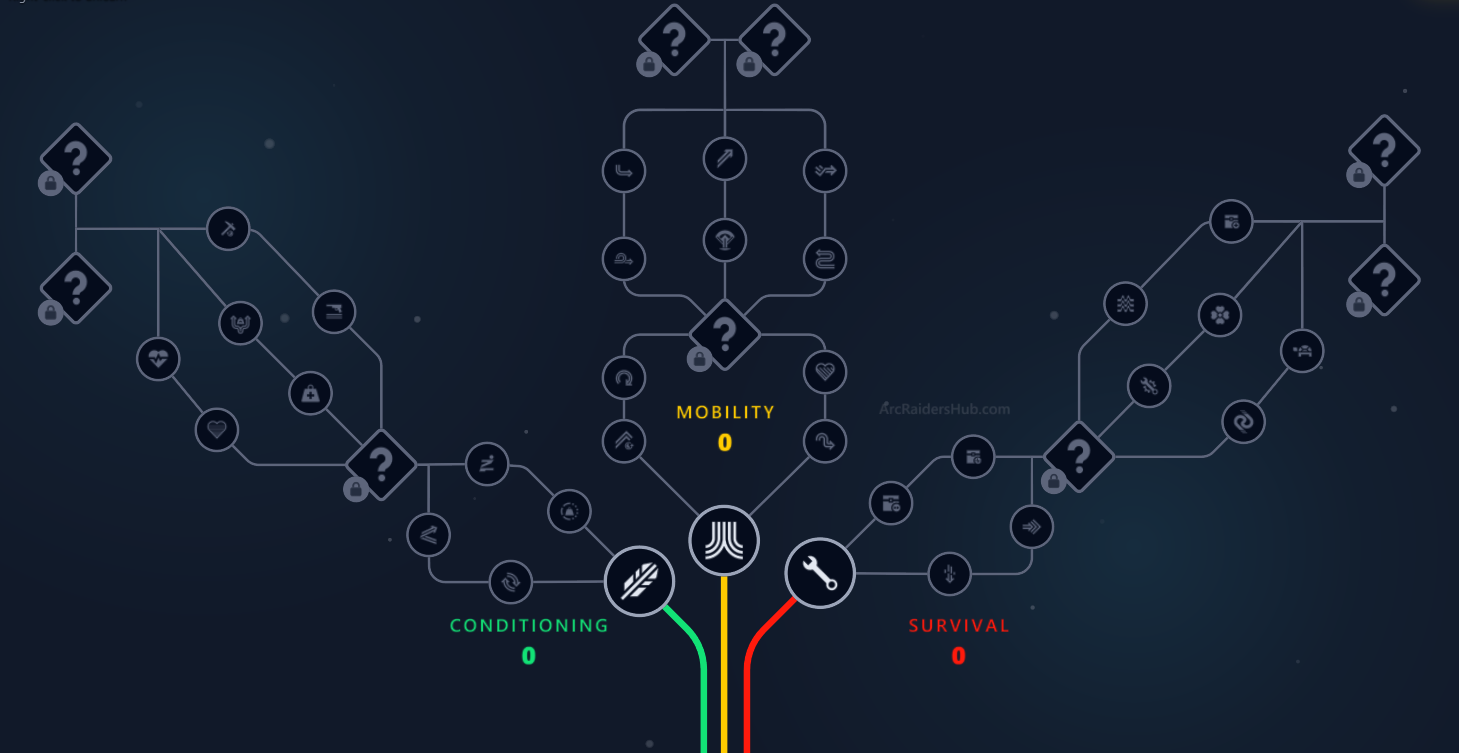
The Skill Tree is one of the most important changes in 2.0. Underperforming skills were changed or replaced, the layout was reshuffled, and major choice nodes now force real specialization. Mid-branch progression includes binary choices, while the upper part of a branch asks you to select from competing high-value options instead of simply collecting everything.
For a fresh character, the safest early philosophy still looks familiar: movement, basic field sustain and efficient looting give value in every raid. Youthful Lungs remains an easy early Mobility pick, while In-Round Crafting opens useful field options without requiring a deep investment. From there, climbing speed, stamina efficiency and loot-focused perks are reliable choices while the new endgame builds are still being tested.
The biggest mistake is spreading points evenly just because every branch contains something attractive. Frozen Trail makes the later choices stronger precisely because reaching them requires commitment. Decide whether your Raider is primarily a mobile explorer, a heavy looter, a combat-focused survivor or a team specialist, then build toward that role.
How to Start Frozen Trail
New Weapons and Gadgets Worth Watching

A Light Ammo battle rifle designed as an accessible early alternative to the Renegade. It rewards controlled shots at range; firing as quickly as possible hurts accuracy. That makes it appealing for fresh characters who want a cheap ranged weapon without immediately moving into expensive gear.

The new Uncommon Heavy Ammo revolver effectively takes over the economy slot previously occupied by the Anvil. It works against both Raiders and ARC and has a dedicated hip-fire identity, making it one of the most relevant weapons to test early.
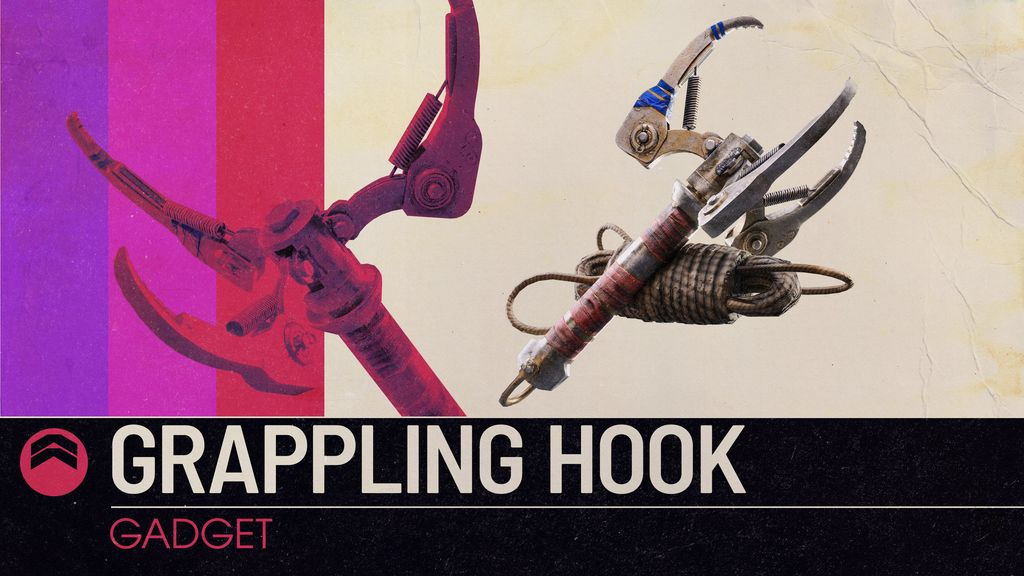
Probably the most transformative gadget in the update because Pendola Pass gives it terrain worth exploiting. It can reach high positions, cross gaps and create routes that did not exist before.
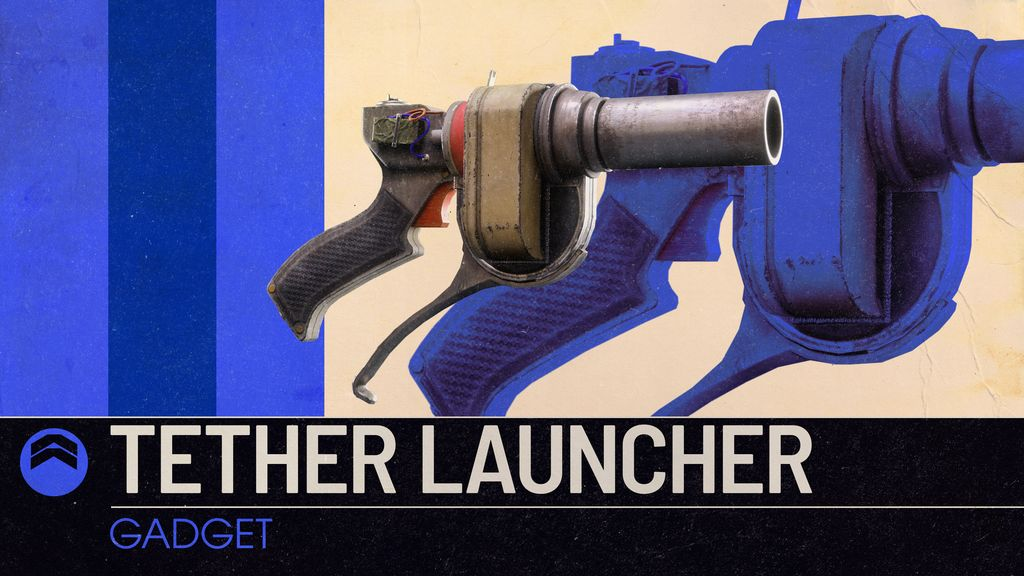
A combat-focused gadget for restricting movement and controlling space. Its value should be highest when used to keep Raiders or ARC in a bad position long enough for the rest of the squad to capitalize.
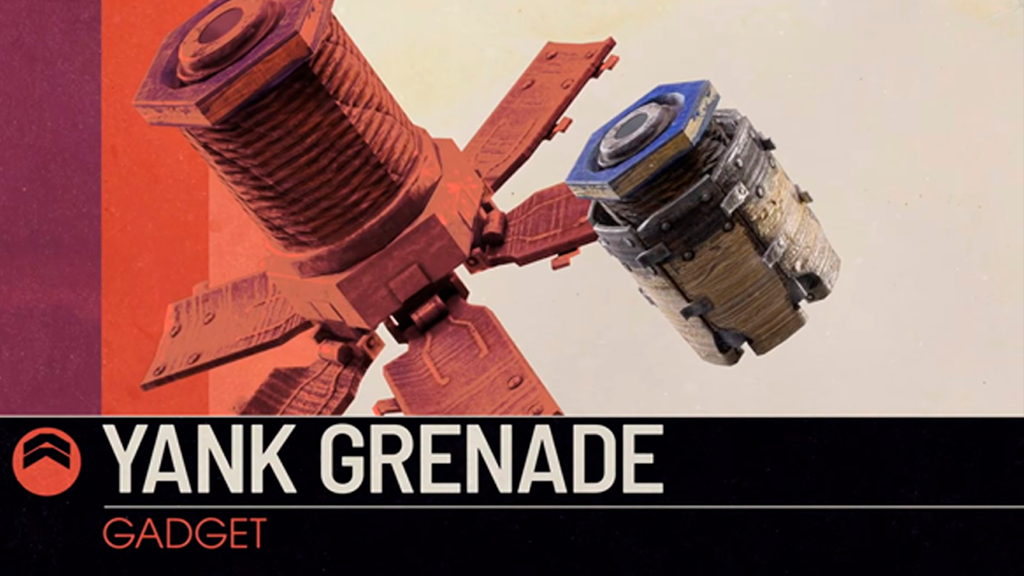
A more aggressive positioning tool that can pull targets and disrupt cover. It has obvious PvP potential, but creative ARC interactions may end up being just as important.
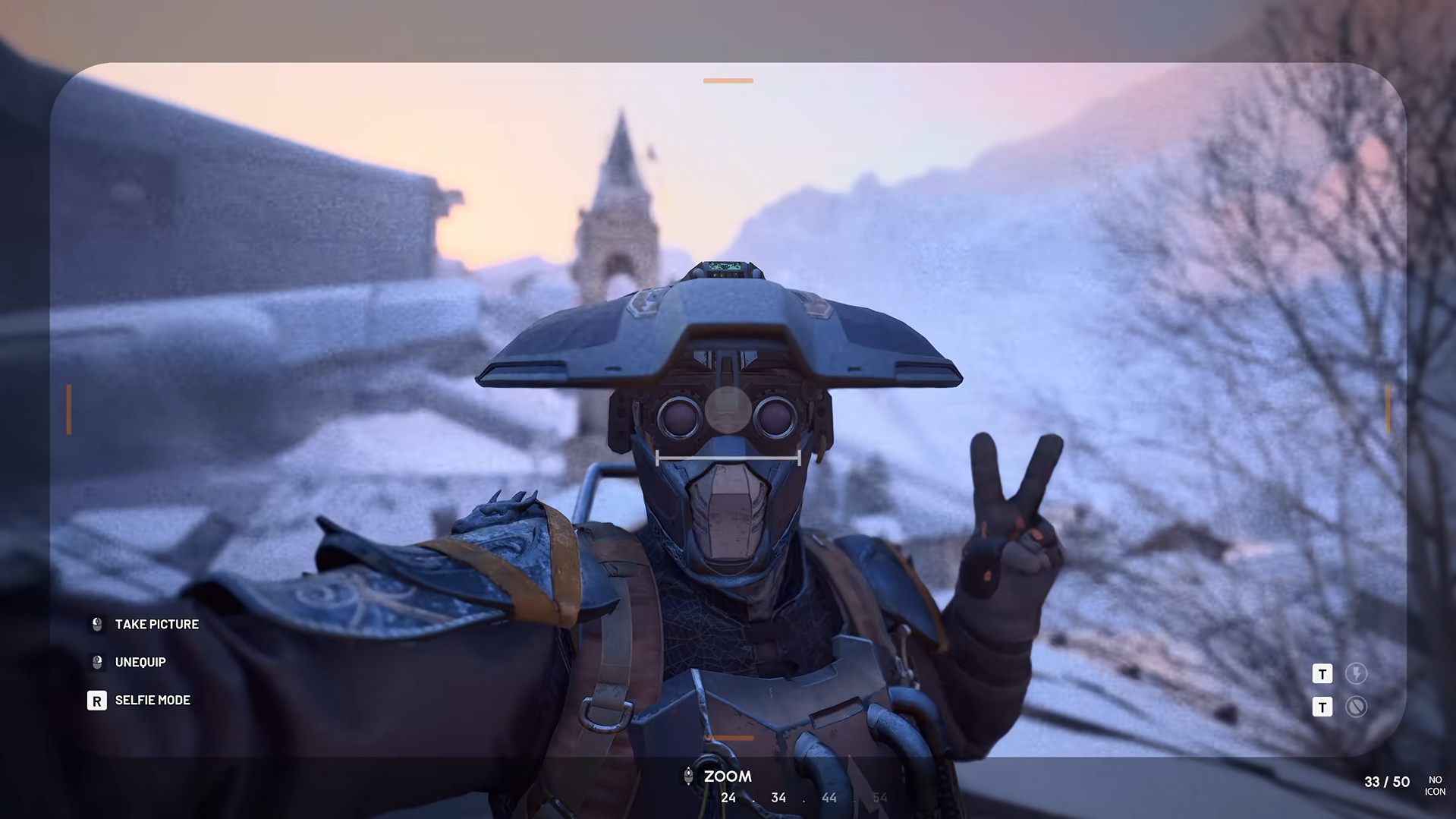
Less dramatic in combat, but directly tied to quests and Outpost progression. The Basic and Advanced versions also introduce a proper photography system with saved shots.
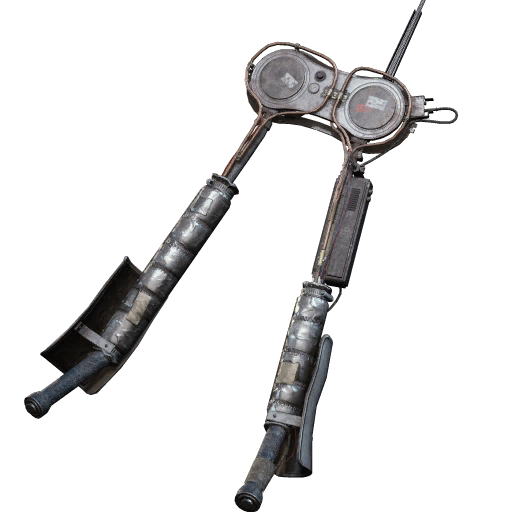
A utility gadget designed around exploration and finding useful opportunities in the frozen environment. It fits the update's broader shift toward route knowledge and specialized scavenging tools.
What We Expect to Change in the Early Meta
Dynamic Loot Zones make adaptability more important. Players who understand several routes through Pendola Pass should outperform players who memorize one high-value loop.
High-value ARC technology, confined interior routes and multiple squads chasing the same objective are almost guaranteed to turn the Frigate into one of the most dangerous places to carry expensive gear.
The Snap Hook nerf and the vertical map design point toward a clearer split: Snap Hook for committed burst movement, Grappling Hook for flexible traversal and creative positioning.
Reducing both its movement penalty and durability loss removes two of the main costs of running it. Expect more cautious solo players and objective-focused squads to experiment with heavier defensive setups.
Moving it to Blue rarity changes how casually players can replace and risk it. Bantam should absorb some of the cheap hand-cannon use without needing the Anvil itself to be dramatically weaker.
The system is research-gated, expensive by design and full of branching choices. The strongest combinations may be powerful, but they should not instantly replace normal weapons for the average Raider.
Final Thoughts
Frozen Trail 2.0 works best when viewed as a reset of ARC Raiders' priorities. Pendola Pass gives players somewhere new to explore, but the Outpost, Skill Tree and Amplified Weapons are the systems most likely to change how accounts develop over the next several months.
For your first sessions, keep the plan simple: rebuild your skills around a clear role, start the Outpost project, bring a Camera when the quest asks for one, use inexpensive gear while learning Pendola Pass and let quests guide your early progression. The Frigate, Redirection and Amplified arsenal will still be there once you understand the terrain.
Most importantly, avoid locking yourself into a day-one meta. The update deliberately introduces choices that need live testing, and some of the strongest-looking tools may turn out to be situational once players learn how to counter them. Frozen Trail rewards the Raider who adapts faster than everyone else.
ARC Raiders is a trademark and intellectual property of Embark Studios AB.