 Buy/Sell
 Log in


Best Kinah Farming Methods - AION 2 Guide
Need more Kinah in AION 2? Discover the most reliable farming methods for both Bound and regular currency.Best Kinah Farming Methods
AION 2
Last Update: October 6, 2026
Introduction
Making money in AION 2 is less about finding one mythical farming spot and more about combining several dependable sources of income. Quests and Duties keep your personal progression funded, gathering and crafting feed the player economy, while dungeons and open-world farming can produce the materials that other players are willing to pay for.
This guide focuses on practical farming methods that work without requiring an elite character or a massive starting budget. Some are designed for fresh characters, others become much stronger at level cap, and a few depend heavily on current Market prices. The ratings below compare their general profit, safety, speed, and consistency instead of pretending that one Kina-per-hour value will remain accurate during a rapidly changing launch economy.
The most important AION 2-specific detail is that your wallet contains two economically different forms of money. Understanding that split will save you from farming the wrong content for the purchase you actually want to make.
Bound Kinah vs Regular Kinah
The Global client separates the currency into Kinah (Bound) and regular Kinah. They can both pay for many personal progression costs, but only regular Kinah participates fully in the player economy.
Kinah (Bound)
Earned heavily from quests, Duty Missions, Sealed Dungeons, NPC-related rewards, and similar progression content. It is excellent for enhancement and other character expenses, but it cannot buy another player's item on the Market.
Regular Kinah
This is the valuable trading currency. Player sales and eligible unbound rewards add to this pool, and it is the Kinah you need when you want to purchase something from another player through the Market.
Spend Bound Kinah whenever the game allows it. Combined expenses consume the bound version first, which lets you keep regular Kinah available for the Market and other uses where the bound currency cannot help you.
Best Kinah Farming Methods
The ratings below are relative and based on the current Global launch build. A five-star method has strong earning potential within its category, but Market-dependent strategies can fluctuate sharply, while Bound Kinah cannot replace regular Kinah when your goal is buying from another player.
Quest & Sealed Dungeon Sweep
Currency: Bound Kina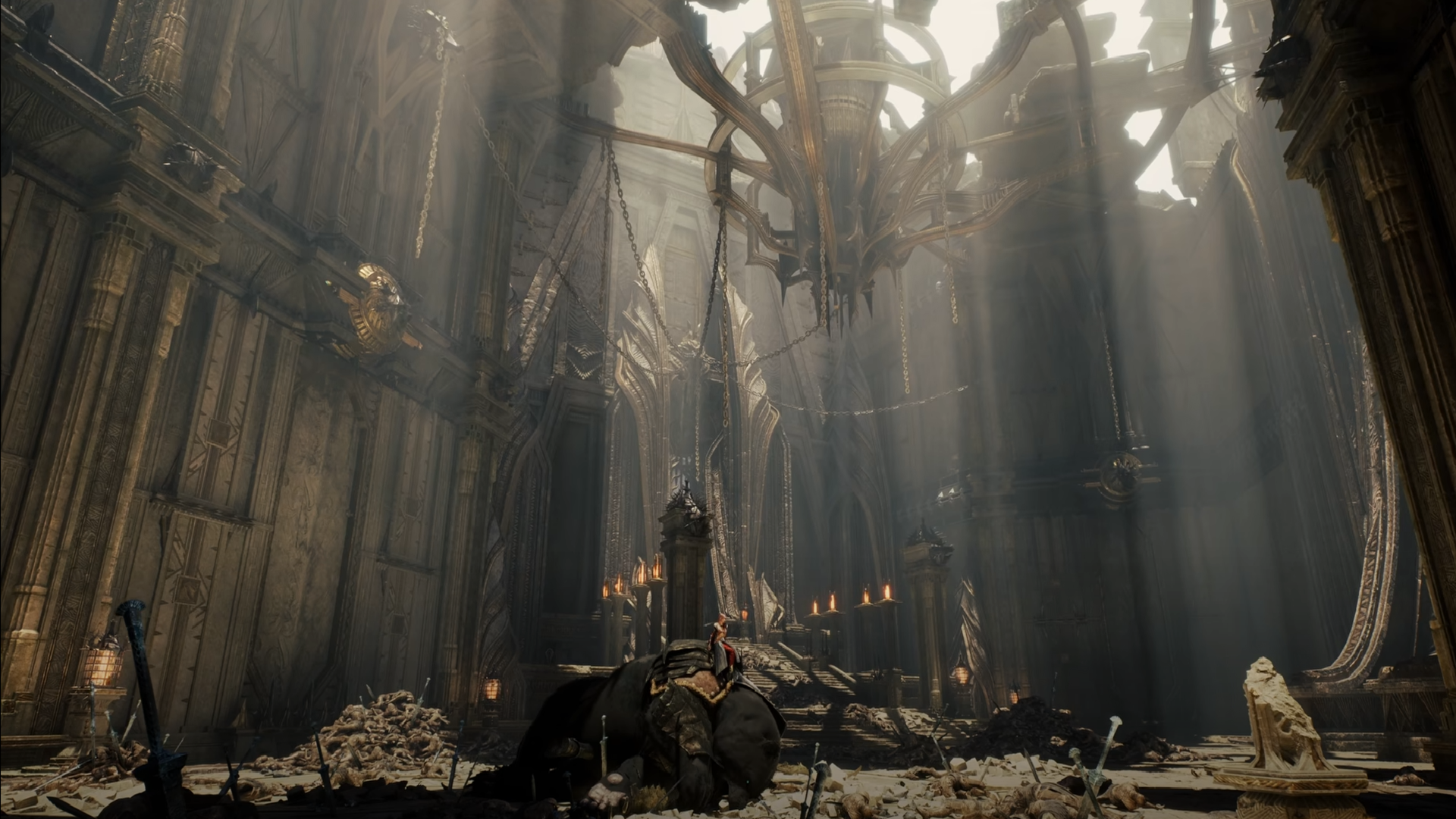
Profit:

Safety:

Speed:

Consistency:
For a fresh character, this is the easiest way to build a useful pool of Bound Kinah without interrupting normal progression. Hero quests, District Quests, and nearby Sealed Dungeons all pay while you are already moving through the leveling zones.
15,000 Bound Kinah per Sealed Dungeon, while later District Quests can pay considerably more. These are mostly one-time rewards, so this is better viewed as starter income than a true repeatable farm.
Its real strength is efficiency. You are earning currency, experience, and permanent progression in the same trip, which makes these rewards well worth collecting while they are on your route.
Duty Mission Farming
Currency: Bound Kina
Profit:

Safety:
Speed:
Consistency:
Duty Missions are one of the cleanest recurring sources of Bound Kinah once they become part of your level-cap routine. In the current Global client, a Duty Mission awards 50,000 Bound Kina together with Abyss Points.
They are predictable, repeatable, and easy to combine with other daily objectives. Just remember that Duty limits are shared across the server, so creating an alt does not give you a completely fresh set of Duties.
Be careful with Mission redraws as well. Their price escalates quickly, and repeated rerolls can chew through a large part of the reward you were trying to earn.
Gathering & Material Selling
Currency: Regular Kina
Profit:
Safety:
Speed:
Consistency:
Gathering is one of the simplest ways to turn playtime into tradable value. Ore, gems, wood, Odyle, herbs, and other materials feed professions constantly, which gives crafters a reason to buy what they do not want to collect themselves.
The best version of this strategy barely interrupts your normal routine. Grab worthwhile nodes while traveling between quests, Duties, and dungeon entrances, then list the materials that currently have healthy demand. Higher-grade resources deserve particular attention once players begin pushing more advanced recipes.
The downside is competition and price pressure. Gathering can be excellent at launch, but once a popular route becomes crowded its profit can fall quickly. Follow the Market instead of farming the same material out of habit.
Crafting & Processing for Profit
Currency: Regular Kina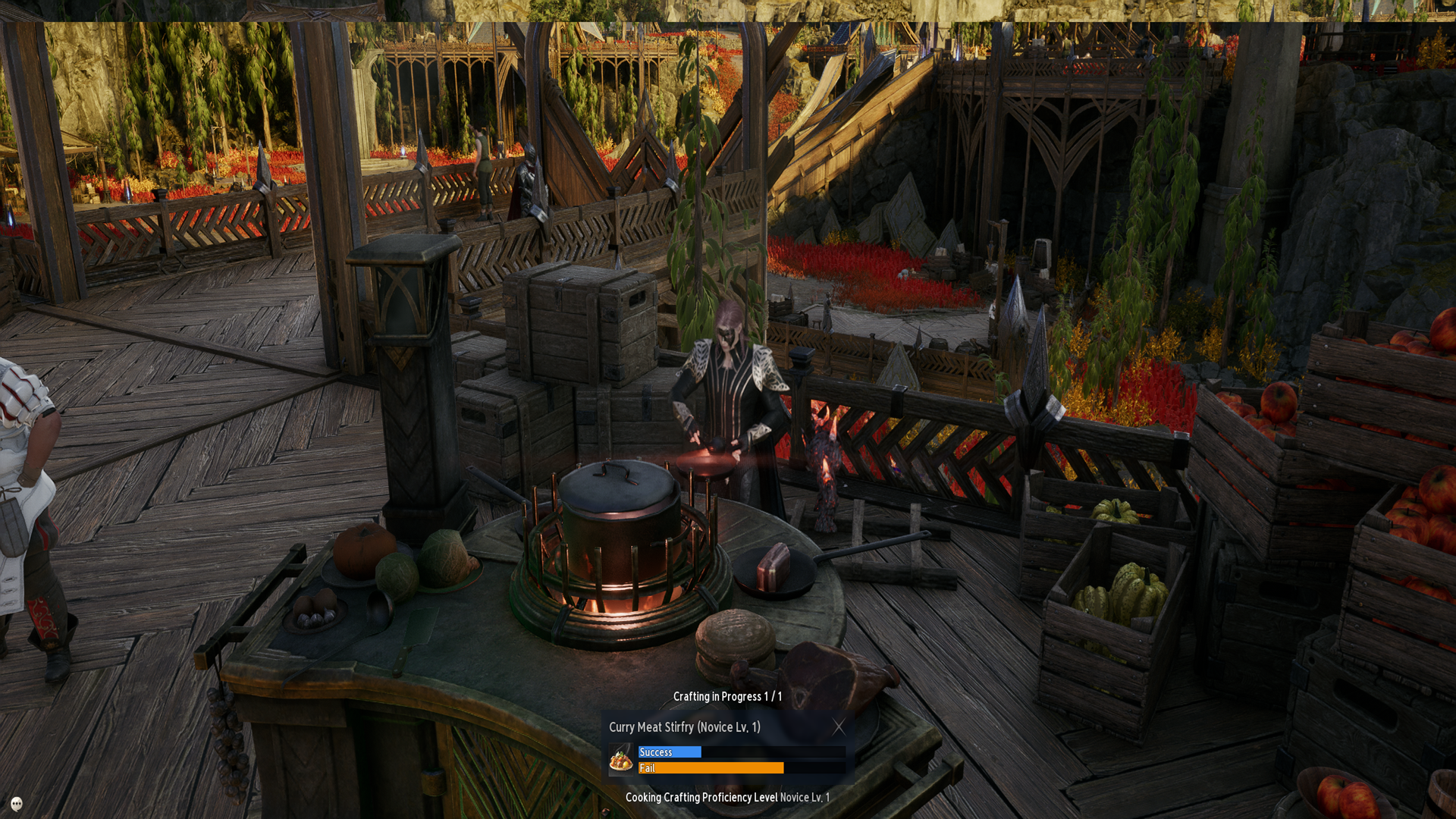
Profit:
Safety:
Speed:
Consistency:
Crafting has more upside than simply dumping raw materials on the Market, but it also carries more risk. Finished products can lose value quickly when many players level the same profession, and higher-level recipes do not always craft with a guaranteed success rate.
Processed materials, food, consumables, and components with repeat demand are often easier to move than a random equipment piece that needs one specific buyer. Before producing anything expensive, compare the ingredient cost, current selling price, Market fees, and the recipe's actual success chance.
If the margin is thin or the failure chance is uncomfortable, selling the ingredients can be the smarter business.
Conquest & Transcendence Farming
Currency: Regular Kinah + Loot
Profit:
Safety:
Speed:
Consistency:
Conquest and Transcendence are among the most important direct sources of regular Kinah in the current Global build. The key is the reward Cube: clearing the content is only part of the process, while spending Odyle Energy on the Cube is what actually claims the Kinah, gear, and materials.
Current Global data lists Conquest rewards at roughly 200,000 Kina per claim in Krao Cave and Draupnir, 300,000 in Urugugu Canyon and Vakron Sky Island, and 400,000 in Fire Temple and Ferocious Horn Den. Transcendence claims currently pay roughly 300,000 to 480,000 regular Kina, depending on the encounter.
The reward does not end with currency. Conquest can also produce valuable crafting materials, accessories, refining items, and other drops. In the current launch build, Fire Temple and Ferocious Horn Den are especially interesting because their Conquest reward pools include tradable Wrathful materials.
Open-World Monster Farming
Currency: Regular Kinah + Drops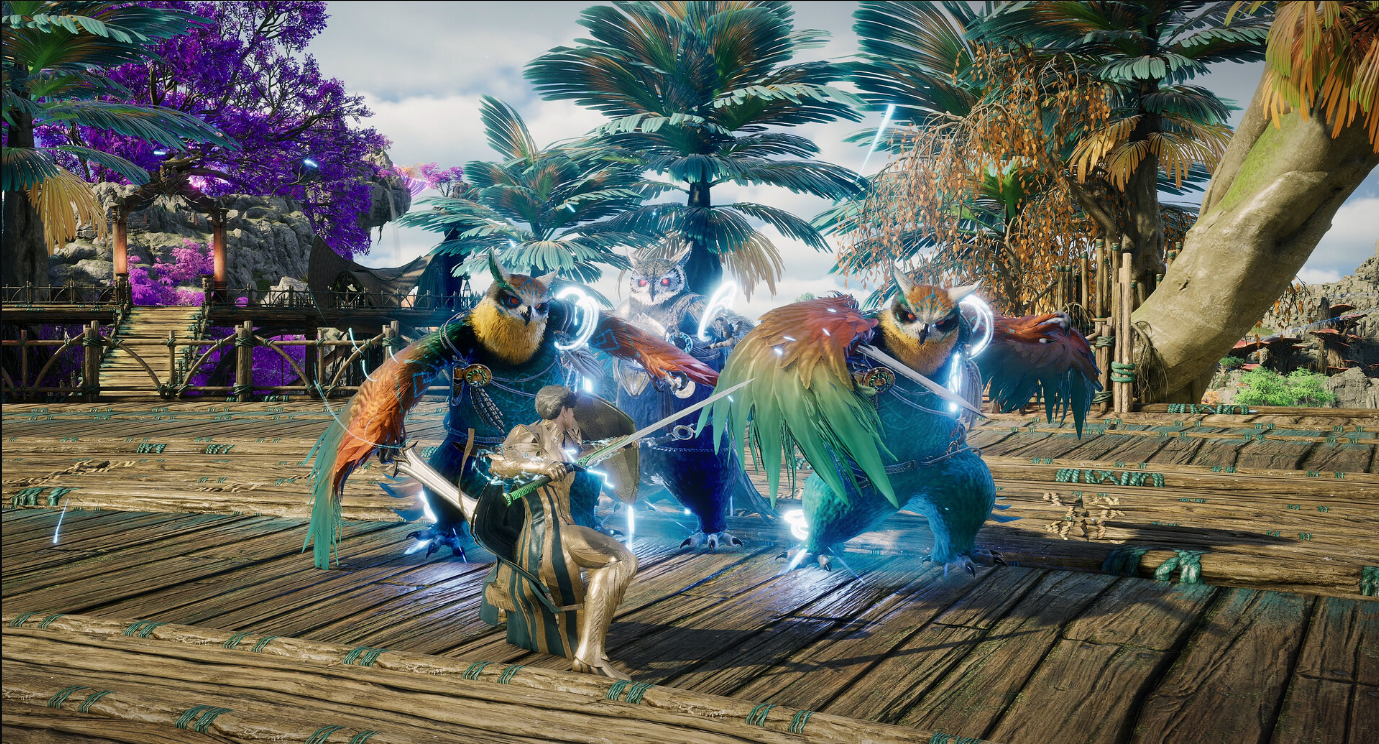
Profit:
Safety:
Speed:
Consistency:
Traditional field grinding can produce regular Kinah and useful drops, but it is not an unlimited money faucet. In the current Global build, tradeable Kinah from normal monster hunting is subject to a daily cap of 1,000,000 per character.
That makes the drop table more important than the raw coins. The best farming spots are usually enemies you can kill quickly while also collecting materials, useful equipment, or other items with Market value.
Once your daily tradeable-Kinah limit is exhausted, pure mob grinding loses much of its appeal. At that point, move to dungeon claims, gathering, PvP-related activities, or another character instead of forcing the same route.
Abyss Farming
Currency: Kinah + PvP Resources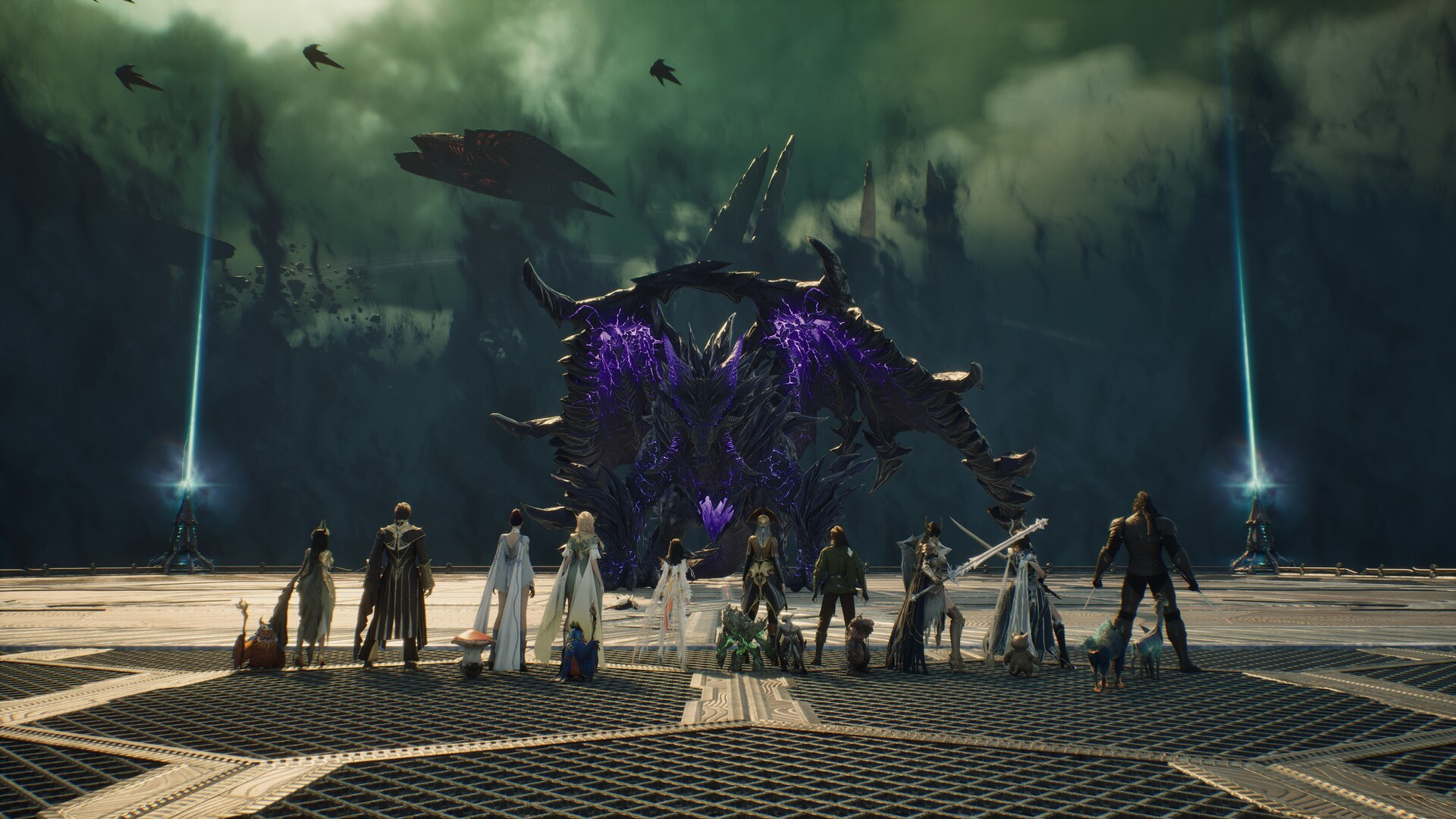
Profit:
Safety:
Speed:
Consistency:
The Abyss deserves its own category because its value is tied to far more than ordinary monster drops. You can combine farming with Abyss Points, PvP progression, Potential-related resources, and other rewards from Lower Reshanta.
The catch is obvious: other players are part of the environment. A route that looks superb on a spreadsheet can become dreadful if you spend half the session being chased, interrupted, or forced to disengage from contested spots.
Go there when your build has enough clear speed and survivability to make the risk worthwhile. If your only goal is safe, predictable Kinah, there are calmer places to spend your time.
Market Sales & Price Checking
Currency: Regular Kina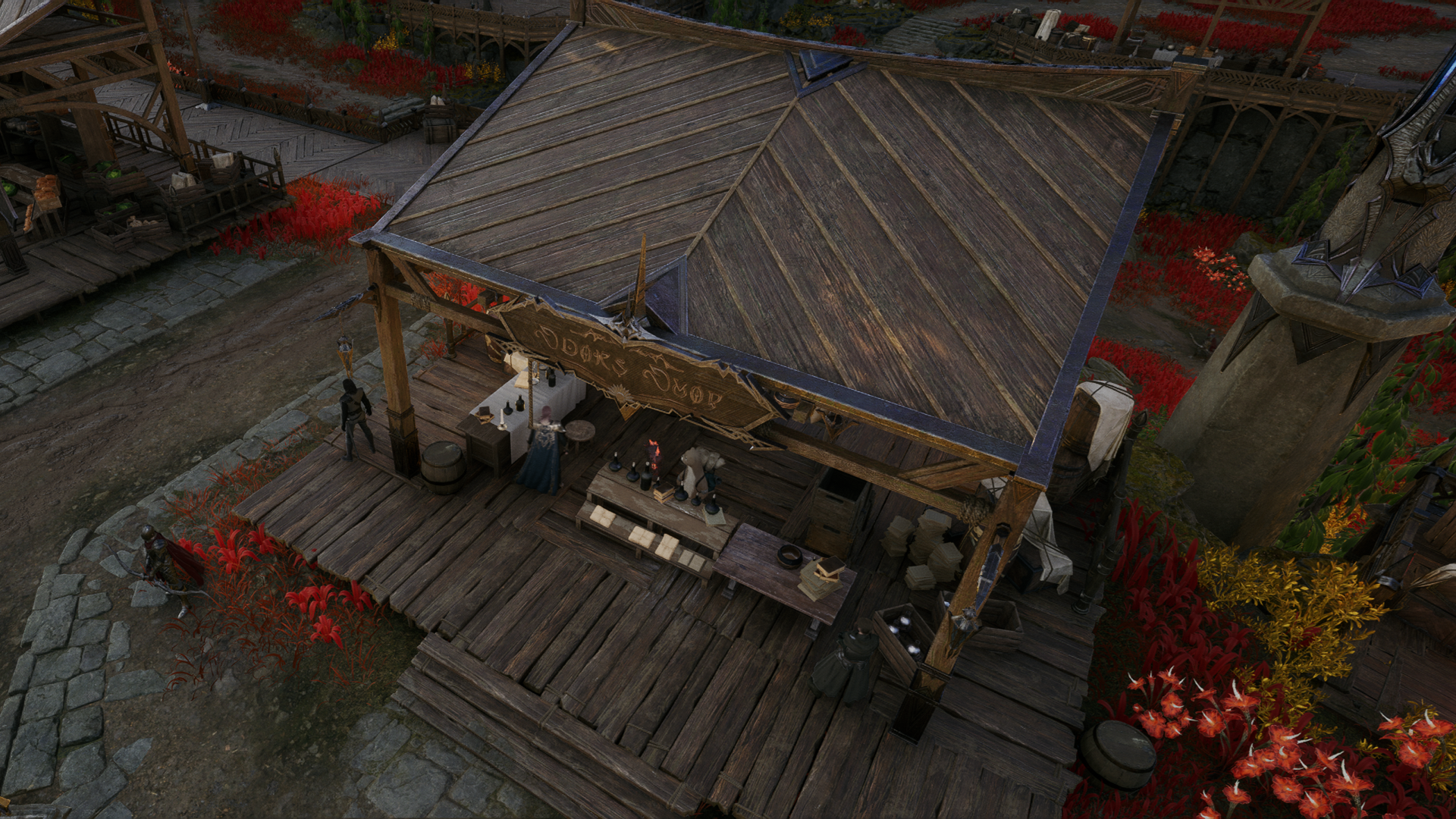
Profit:
Safety:
Speed:
Consistency:
The Market is where gathered materials, processed components, consumables, and dungeon drops turn into actual purchasing power. Get into the habit of checking unfamiliar tradable items before selling them to an NPC or destroying them.
One important Global rule is easy to misunderstand: free players can list items for sale, while purchasing from the Market requires an active Special Quai Membership. Membership also unlocks additional trading conveniences, but you do not need it simply to turn your own farmed materials into Kinah through listings.
Judge an item's value by realistic competing listings, not the highest number somebody typed into the box. A sensible price that actually sells is much more useful than an extravagant listing that expires untouched.
What Should You Sell First?
AION 2 binds a lot of equipment, so the best Market item is often not the flashy weapon that just dropped. Look for resources other players consume repeatedly.
| Item Type | Why It Can Sell |
|---|---|
| Gathered Materials | Constant profession demand and easy to sell in useful quantities. |
| Higher-Grade Materials | Less common and required by more advanced crafting. |
| Processed Components | Save buyers an extra crafting step and can carry better margins than raw inputs. |
| Food & Consumables | Repeat consumption creates recurring demand instead of one-time purchases. |
| Wrathful Dungeon Materials | Used in many recipes and tied to specific dungeon sources. |
| Unusual Tradable Drops | Scarcity can matter more than vendor value, especially during the first weeks. |
A Simple Daily Farming Routine
2. Spend available dungeon resources before they sit capped.
3. Gather useful nodes while moving between normal activities.
4. Keep tradable dungeon materials separate from bound equipment.
5. Check current Market demand before choosing what to process or craft.
6. Sweep any convenient Sealed Dungeons you have not cleared yet.
7. Use Bound Kinah for eligible progression costs and protect regular Kinah for trading.
This routine works because almost every step overlaps with character progression. You are not spending three hours farming money and then another three hours progressing your character; the same activities are doing both jobs.
Final Thoughts
The strongest Kinah farming strategy in AION 2 is a mixture of dependable income and opportunistic sales. Let quests, Sealed Dungeons, and Duties finance your character through Bound Kinah, then use gathering, valuable dungeon materials, crafting, and the Market to build the regular Kinah that gives you real buying power.
For most players, Gathering + Market sales is the easiest low-risk starting point once regular Kinah becomes the priority. Stronger characters can push dungeon materials and Abyss farming for better upside, while players who enjoy the economy can make crafting and Market trading a much larger part of their income.
Most importantly, stay flexible. Launch economies change quickly, and the best farmer is often the player who notices what everybody suddenly needs before everybody else starts farming it.
AION and AION 2 are trademarks and intellectual property of NC Corporation.